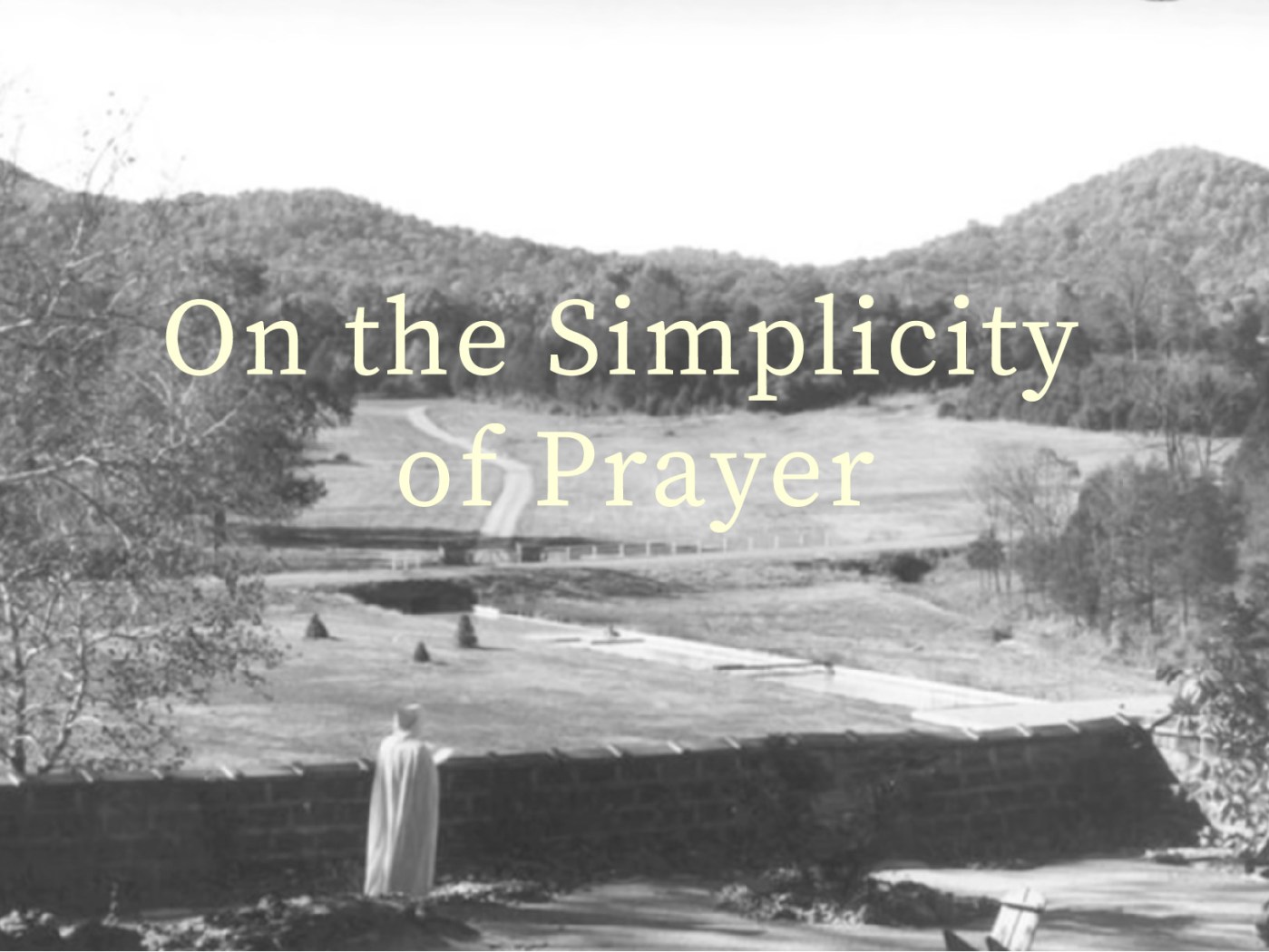
“Prayer should be as simple as breathing, as living“.
Thomas Merton
*
This blog is in two parts. The first part is devoted to a Thomas Merton video released by Festival of Faiths in April of 2020. This video is beautiful, featuring audio from recordings of Thomas Merton teaching the novices at Gethsemani in the 1960s. Throughout the video are images of Merton and the monastery.
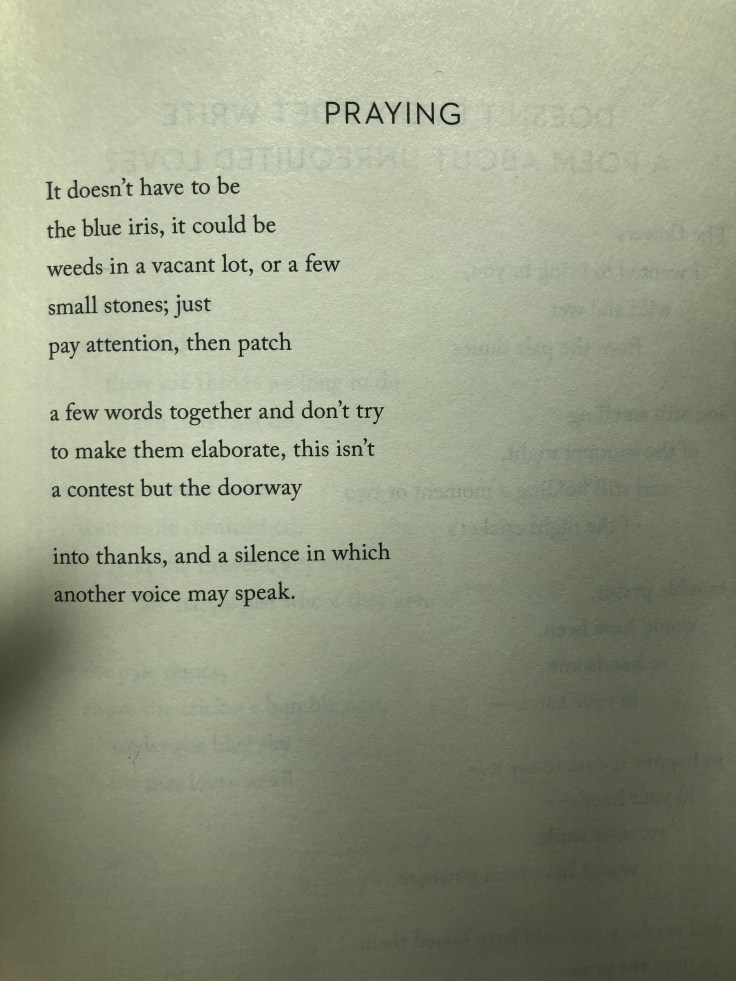
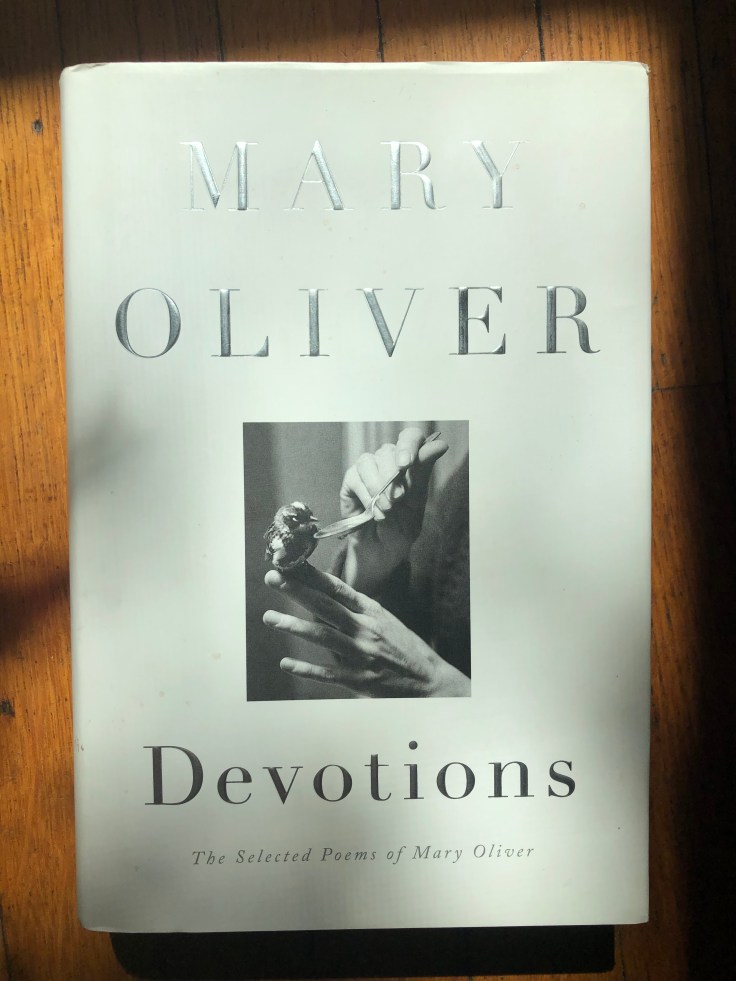
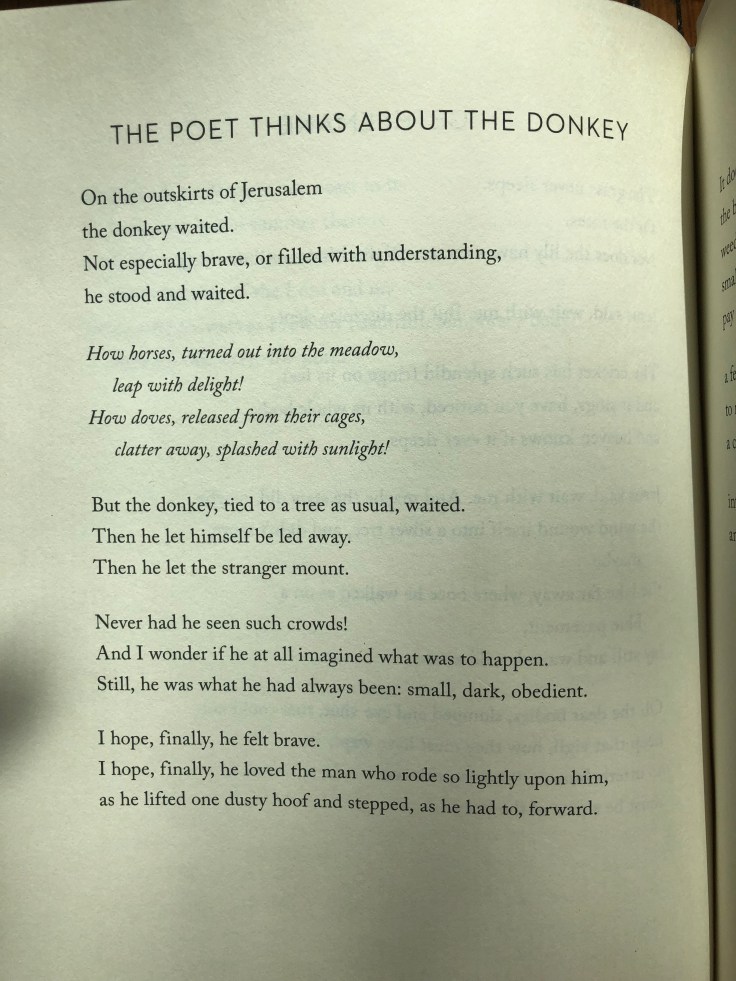
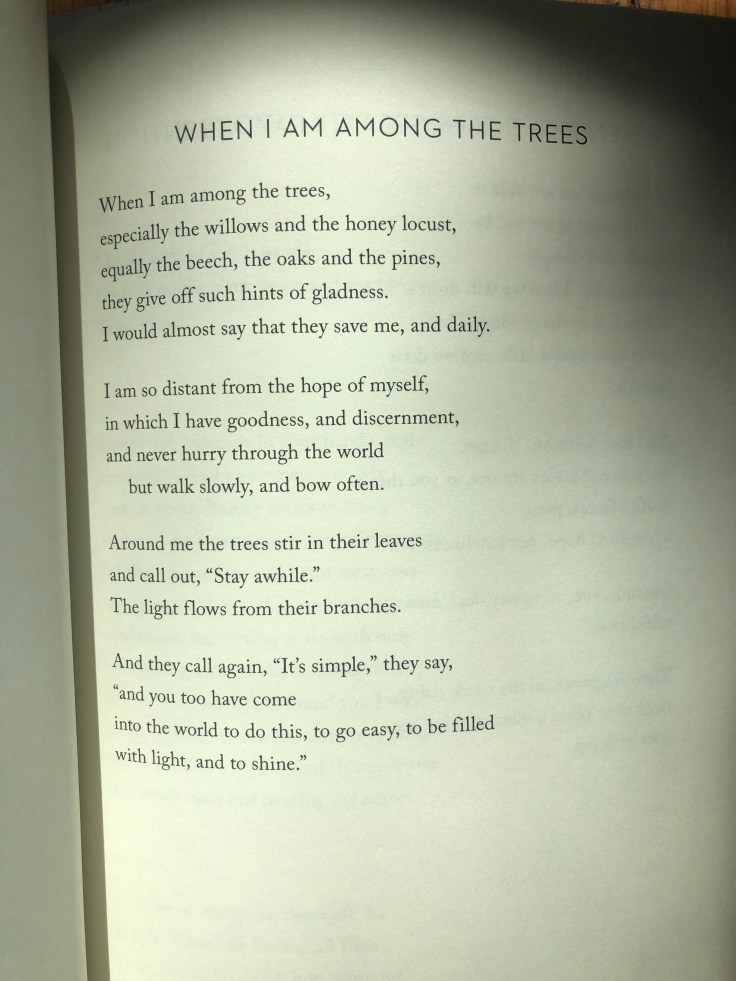
The second part of this post is a selection of poems from Mary Oliver. After watching the Merton video I remembered a poem by Oliver called Praying. The poem shares the sentiment of simplicity that Merton is also revealing. The poems are from a collection called Thirst released in 2006, but I am reading them from a book of Oliver’s selected poems called Devotions, released near the end of Oliver’s life, and edited by her.
Here is the first part of the post, the Merton video:
*
While listening to the video I took notes. Most of these notes are either direct quotes or quick paraphrasing of the basic sway of Merton’s talk….it was a good exercise to take notes while listening, it helped me to internalize what was being taught and to see the logical beauty of the way the theological thinking unfolds.
Thomas Merton begins:
“Prayer should be as simple as breathing, as living“.
Breathing is neither sacred nor secular. So prayer too should be neither sacred nor secular. It comes from the ground of our life. Prayer should not be divided against the rest of our life. Prayer is also not a cause for us to go to war or crusades. Vocation to Martyrdom is a temptation.
We belong to God. And we want to belong to God, and we want to live in a consciousness that is aware that we belong to God. We live in a constant relationship to Him.
“Prayer should be the activity in which we are most ourselves.”
As soon as prayer becomes too much of a project, we start to pretend. We try to act the part of someone praying, in some particular way.
The struggle of understanding of ourselves. Seeking relief from the constant questioning of ourselves. Choices of identity. Roles. Unsure of what role we are supposed to be in. “It is not a question of a role it is a question of vocation…God speaks and we answer.” Prayer should not be an evaluation of ourselves. We should try to avoid self evaluation while in prayer. Prayer should help us abandon ourselves…to strive for an “all around acceptance”. Acceptance of the world, of ourselves…to accept things “as it is”. Prayer is our way of opening ourselves to this attitude of acceptance and availability. To be in it and to be ourselves.
We do have to recognize our fallenness and our fallen nature, our fallen hearts. We must pray with our ability to love with our fallen heart. To be in a fallen state is to be in a state in which one’s heart is double. A state of ambiguity. We have to accept the fallenness and ambiguity of our hearts when we pray. We come to prayer with ambiguity and strive for acceptance.
*
We do the ordinary simple things that are around to be done, but when we do them with love, our knowledge of God increases without our realizing it. We are not thinking about ourselves and not thinking about knowledge – you’re simply doing something with love and the love takes care of everything.
Rather than trying to reach God with the intellect, we must awaken the heart.
It’s by love that we know God and It is with our heart that we love, to have an awakened heart means to cultivate a vigilant love, to cultivate the awareness of love.
To keep the heart awake to respond to god with love. Patient, humble. Continuous prayer.
The practical way to cultivate continuous prayer is not continuous concentration on a concept involving strain. Instead without focusing on an image or concept we cultivate an openness and awareness to God. The simple way to do this, the quiet awareness of God, is the short prayer, the Jesus prayer. “Lord Jesus Christ, Son of God, Have Mercy on Me, a Sinner”. But the objective of this is to keep one’s heart awake. God will come to the awakened heart.
*
“Since God offers to take upon himself the care of our affairs, let us once and for all abandon them to his infinite wisdom, that we may nevermore be occupied but ought with Him and His interests.”
To have God as the total content of one’s life. To abandon ourselves to Him. God manifests himself everywhere and in everything. You cannot be without him, it’s impossible. The only thing is that we don’t see it. The world becomes opaque rather than transparent when we care for things as individual things. Rather in each thing is transparent in God by the thingness that it is. Merton gives example of rabbits. If you just see that they are rabbits you see they are transparent and the rabbitness of God is shining through. Each thing is not what it is but rather a manifestation of the humanity of God.
*
“Prayer is the flowering of our inmost freedom in response to the Word of God… Prayer is not only dialogue with God, it is the communion of our freedom with the Ultimate freedom of His infinite spirit. It is the elevation of our limited freedom into the infinite freedom of the divine spirit.”
Out of our nothingness we are called into freedom. Infinite creative freedom. But we must first stop serving the self and the ego, prayer should not be servile. Prayer allows us to rise above self-servility and into freedom in God.
*
Theology of prayer – Poetic insight which leads directly to the depths of the heart in which these things are experienced and these conflicts are resolved in experience. And what one has to gain through the theology of prayer is the capacity to experience the contradictions and struggles and sufferings of life as a sharing in the cross. Not just to say that it is a sharing of the cross by to experience it in the deepest possible religious and existential matters as a sharing in the cross. As Christs suffering in us. This is not done without passion. A theology of prayer is going to have to be a passionate theology.
*
The instinct of man to hide from God.
The theology of prayer begins when we understand that we are in trouble…there is a point where prayer becomes real. The spirit of the heart, burning, cries out. And we recognize that He is always with us.
*
*
PRAYING
It doesn’t have to be
the blue iris, it could be
weeds in a vacant lot, or a few
small stones; just
pay attention, then patch
a few words together and don’t try
to make them elaborate, this isn’t
a contest but the doorway
into thanks, and a silence in which
another voice may speak.
*
 theslowangel.com
Leave a comment